Starting a food business has long been a dream for many aspiring entrepreneurs in India. Food is deeply embedded in Indian culture, and demand continues to grow with urbanization, rising disposable incomes, and the widespread adoption of online food delivery platforms. However, traditional restaurant models often require high capital, premium real estate, and complex operations, making them risky for first-time founders. This is where small, scalable, and profitable food business concepts come into play. Today, entrepreneurs can enter the food industry with lower investment by choosing smart business models that prioritize efficiency, delivery, and technology.
With the right concept, operational support, and market understanding, small food businesses can achieve strong margins and sustainable growth. In this blog, we explore profitable small food business ideas, the factors that make them successful, and how modern platforms like Kouzina Food Tech are helping entrepreneurs build delivery-first food brands across India. To understand how technology is reshaping food entrepreneurship, you can explore the official website of Kouzina Food Tech for a deeper overview of its cloud kitchen–led ecosystem.
The Indian food services industry is undergoing a structural shift. Consumers increasingly prefer convenience, variety, and speed, which has accelerated the growth of online ordering and home delivery. This change has reduced dependency on physical dine-in spaces and opened doors for smaller food businesses that operate efficiently from compact kitchens. According to insights shared by the National Restaurant Association of India (NRAI), delivery-led and organized food service formats are among the fastest-growing segments in the industry.
Small food businesses benefit from lower rentals, reduced staffing requirements, and flexible menus that can be adapted based on demand. Entrepreneurs are no longer required to invest heavily in interiors or prime locations. Instead, success depends on food quality, operational consistency, and smart use of technology. These advantages make small food business concepts ideal for first-time founders looking to minimize risk while maximizing returns.
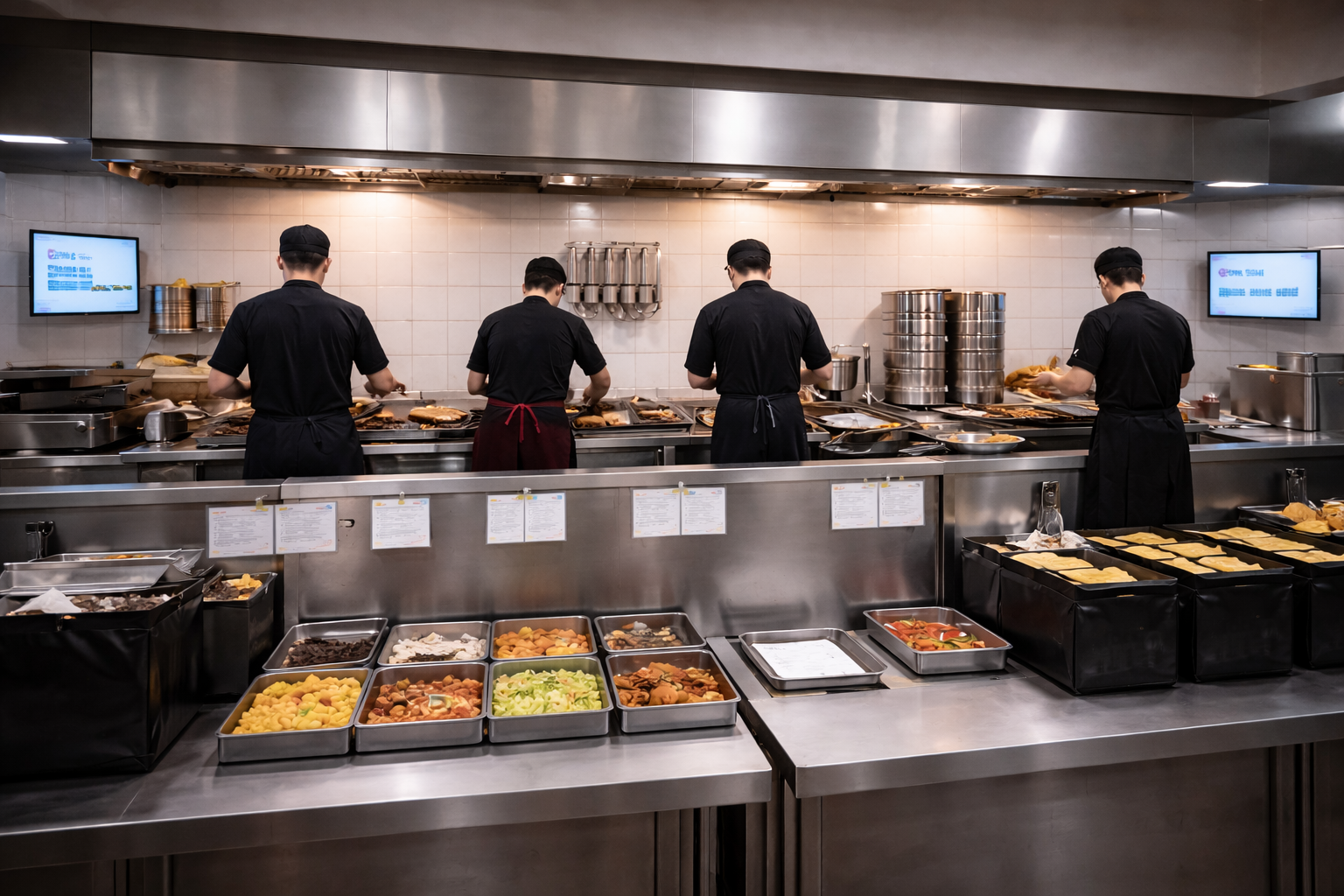
Cloud kitchens have emerged as one of the most profitable and scalable food business concepts in recent years. Unlike traditional restaurants, cloud kitchens focus entirely on delivery and takeaway, eliminating the need for dine-in infrastructure. This significantly lowers capital expenditure and allows entrepreneurs to launch faster. A single kitchen can also operate multiple food brands, helping owners diversify revenue streams without proportionally increasing costs.
Companies like Kouzina Food Tech have popularized this model in India by offering structured cloud kitchen franchise opportunities. Through centralized technology, standardized processes, and data-driven insights, Kouzina enables entrepreneurs to operate multiple delivery brands from one kitchen with higher efficiency. You can explore more about this model through Kouzina’s insights on restaurant franchise opportunities in India, which explain how cloud kitchens fit into the modern food business landscape.
Delivery-first food brands focus on specific cuisines or food categories that perform well on online platforms. Concepts such as biryani, pizza, burgers, wraps, and bowls are particularly popular due to their consistent demand and ease of packaging. These brands are designed for delivery, ensuring food quality remains intact during transit. Entrepreneurs can start with a focused menu and gradually expand based on customer response, keeping costs under control.
Operating multiple food brands from a single kitchen is another highly profitable concept. This approach allows entrepreneurs to cater to different customer preferences and meal occasions without investing in separate kitchens. By sharing infrastructure, staff, and technology, operational costs are optimized while revenue potential increases. Platforms like Kouzina Food Tech specialize in enabling this model, helping partners manage complexity through centralized dashboards and performance analytics.
There is growing demand for authentic, home-style, and regional Indian food, especially among urban professionals and families. Small kitchens offering regional specialties such as South Indian meals, North Indian curries, or local comfort foods can build a loyal customer base. These concepts work particularly well in delivery formats, where taste and consistency matter more than ambience.
Quick-service food businesses focus on fast preparation, affordable pricing, and high order volumes. Snacks, desserts, and beverage-based concepts fall into this category and often require minimal kitchen space. When paired with delivery aggregators, these businesses can achieve high turnover with relatively low investment. Technology-driven operations further enhance efficiency and profitability in this segment.
Profitability in small food businesses depends on more than just a good idea. Location selection, even for cloud kitchens, plays a critical role in ensuring sufficient demand and efficient delivery coverage. Menu engineering is equally important, as focusing on high-margin items helps control food costs and improve overall profitability. Entrepreneurs must also pay close attention to supply chain management to minimize wastage and maintain consistent quality.
Technology is another crucial factor. From inventory tracking to order management and customer analytics, digital tools enable smarter decision-making and smoother operations. This is where platforms like Kouzina Food Tech add significant value by integrating technology into every stage of the food business. For aspiring entrepreneurs, understanding these fundamentals is essential, and resources like the Kouzina blog provide valuable insights into food business trends, cloud kitchens, and franchising strategies.
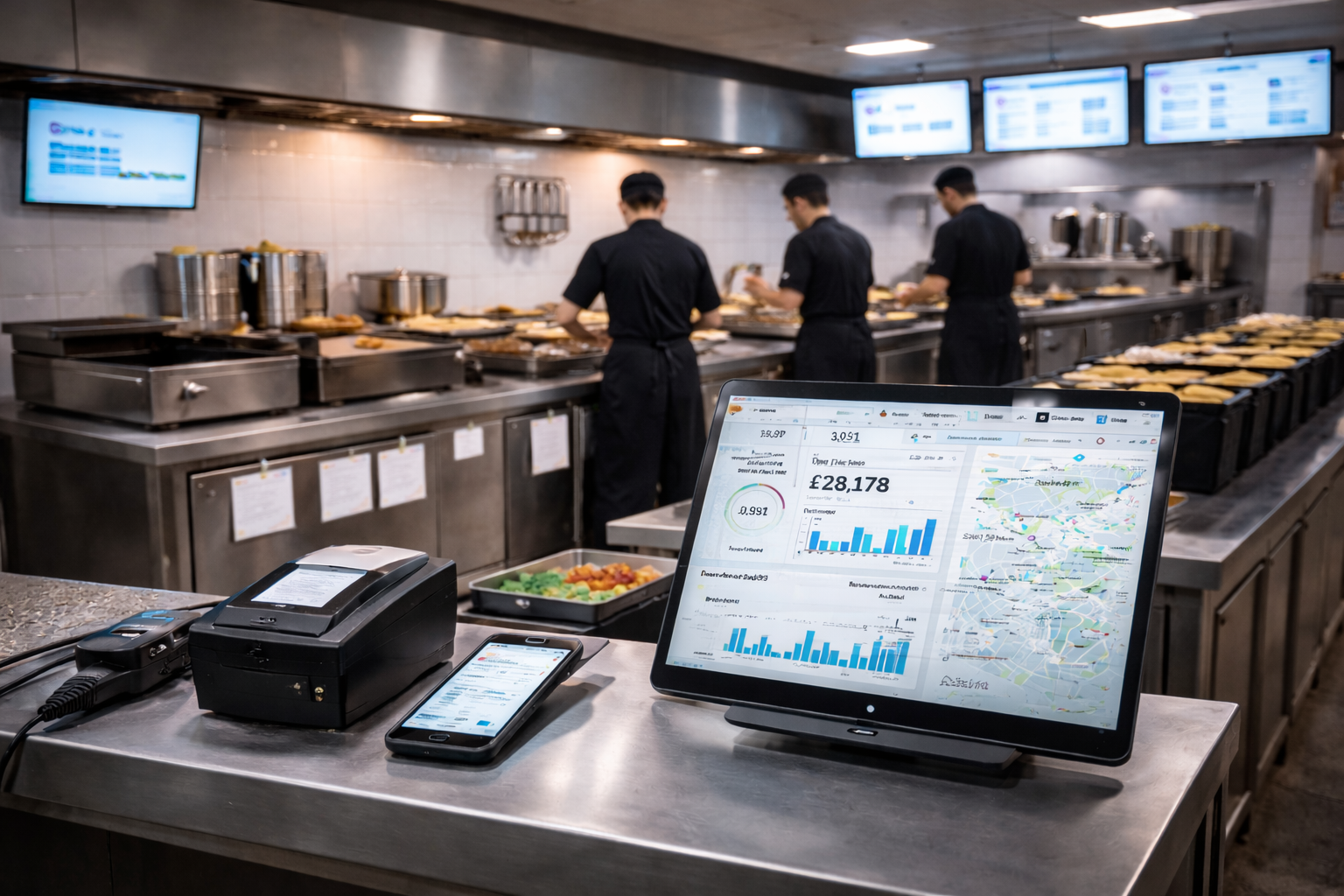
The use of data and technology has become a defining factor in the success of modern food businesses. Advanced analytics help identify customer preferences, peak ordering times, and best-performing menu items. AI-driven demand forecasting improves inventory planning, reducing wastage and improving margins. Centralized dashboards give business owners real-time visibility into sales and operations, enabling faster and more informed decisions.
Delivery platforms such as Swiggy and Zomato have also played a significant role in expanding the reach of small food businesses. By partnering with these aggregators, entrepreneurs can access a large customer base without investing heavily in marketing. When combined with a technology-enabled backend, this ecosystem creates a strong foundation for scalable growth.
For entrepreneurs who prefer a structured entry into the food industry, franchise-based models offer a compelling option. Franchising reduces the learning curve by providing proven business systems, standardized recipes, and ongoing operational support. This significantly lowers the risk associated with starting a new food business from scratch.
Kouzina Food Tech offers franchise models that are specifically designed for small, delivery-led food businesses. From kitchen setup and staff training to marketing support and technology integration, Kouzina provides end-to-end assistance to its franchise partners. This approach allows entrepreneurs to focus on execution and growth while relying on a robust support system. You can explore similar food business ideas and strategies through Kouzina’s knowledge resources, which are tailored for aspiring food entrepreneurs.
While metro cities remain competitive, Tier 2 and Tier 3 cities present significant growth opportunities for small food businesses. Increasing smartphone penetration, improved logistics, and changing consumer habits are driving demand for online food delivery in these markets. Lower rentals and operating costs further enhance profitability potential.
Cloud kitchens and delivery-first concepts are particularly effective in these regions, as they allow entrepreneurs to enter the market with minimal investment. Data-driven location strategies ensure that kitchens are launched in areas with strong demand, helping businesses achieve faster break-even. This trend highlights why scalable and technology-backed models are becoming the preferred choice for expansion beyond major metros.
Regardless of size, every food business must adhere to strict food safety and regulatory standards. Compliance with guidelines set by the Food Safety and Standards Authority of India (FSSAI) is essential to ensure customer trust and long-term sustainability. Standardized processes, hygiene protocols, and regular quality checks protect both the business and the consumer.
Platforms like Kouzina emphasize compliance and quality control across their partner kitchens, ensuring consistency and reliability. For small food business owners, aligning with such structured systems can simplify compliance and reduce operational risk.
Profitable small food business concepts offer aspiring entrepreneurs an accessible and scalable path into India’s thriving food industry. With delivery-first models, cloud kitchens, and technology-driven operations, it is now possible to start a food business with lower investment and higher efficiency. Success depends on choosing the right concept, understanding customer demand, and leveraging technology to optimize operations.
For entrepreneurs looking to build a sustainable food business, platforms like Kouzina Food Tech provide a powerful ecosystem that combines data, infrastructure, and support. As the food services industry continues to evolve, small, smart, and scalable food business models will remain at the forefront of growth, offering exciting opportunities for the next generation of food entrepreneurs.