The food delivery industry has undergone a massive transformation in the past decade. With the rise of online food delivery platforms like Zomato and Swiggy, the way consumers discover and order food has changed dramatically. Instead of visiting physical restaurants, customers now expect a wide range of cuisines delivered directly to their homes.
This shift has given rise to one of the most powerful innovations in the food industry — the Multiple Brands One Kitchen model.
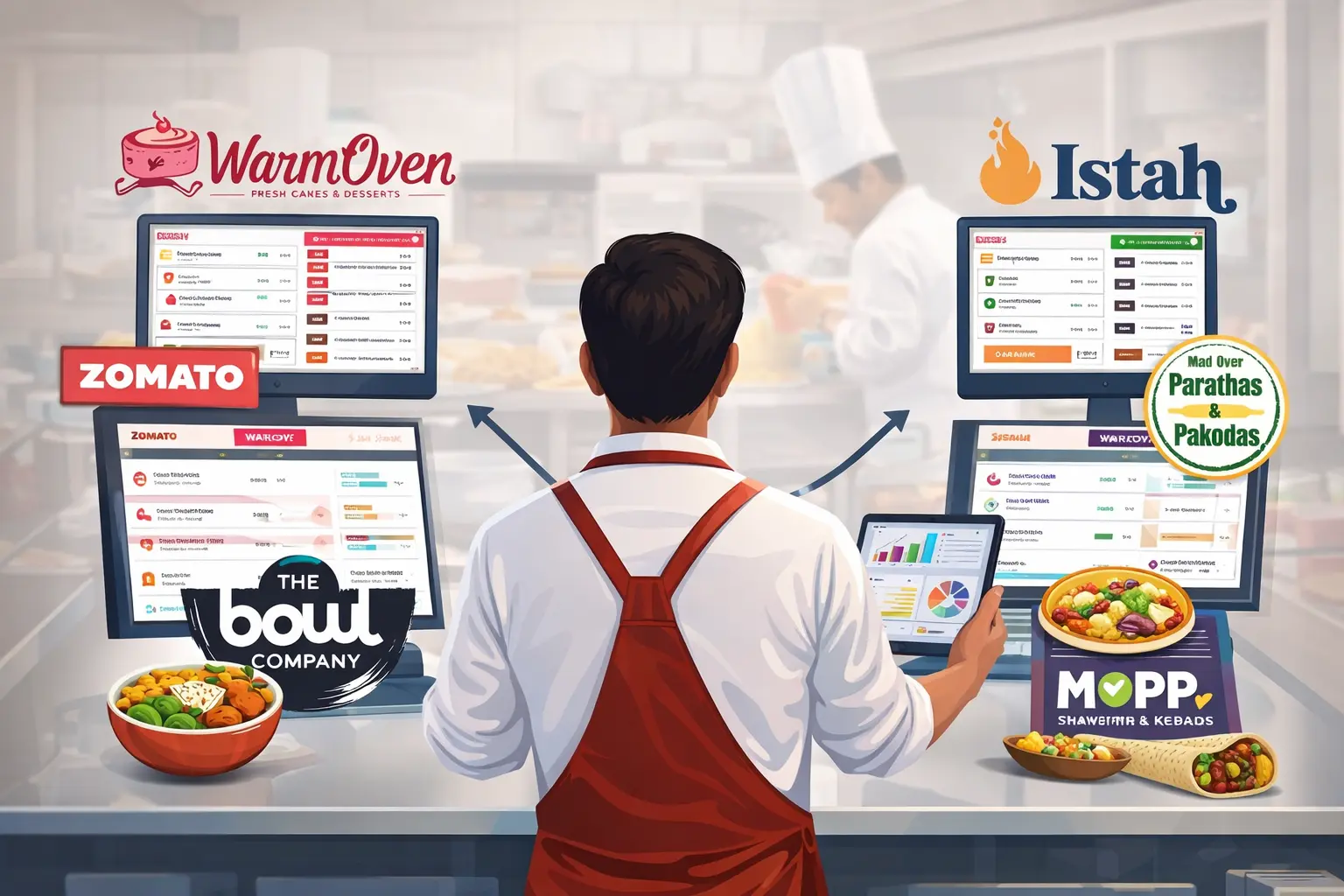
In simple terms, Multiple Brands One Kitchen means operating several food brands from a single kitchen infrastructure. Instead of opening multiple restaurants with separate kitchens, entrepreneurs can run many virtual brands from one location.
Companies like Kouzina Food Tech have successfully adopted this model and are scaling rapidly across India by launching multiple brands from centralized kitchens.
This approach is quickly becoming the next big trend in cloud kitchens, helping food businesses reduce costs, increase efficiency, and expand rapidly.
In this article, we will explore how the Multiple Brands One Kitchen model works, why it is becoming popular, and how companies like Kouzina are leading the transformation in the cloud kitchen industry.
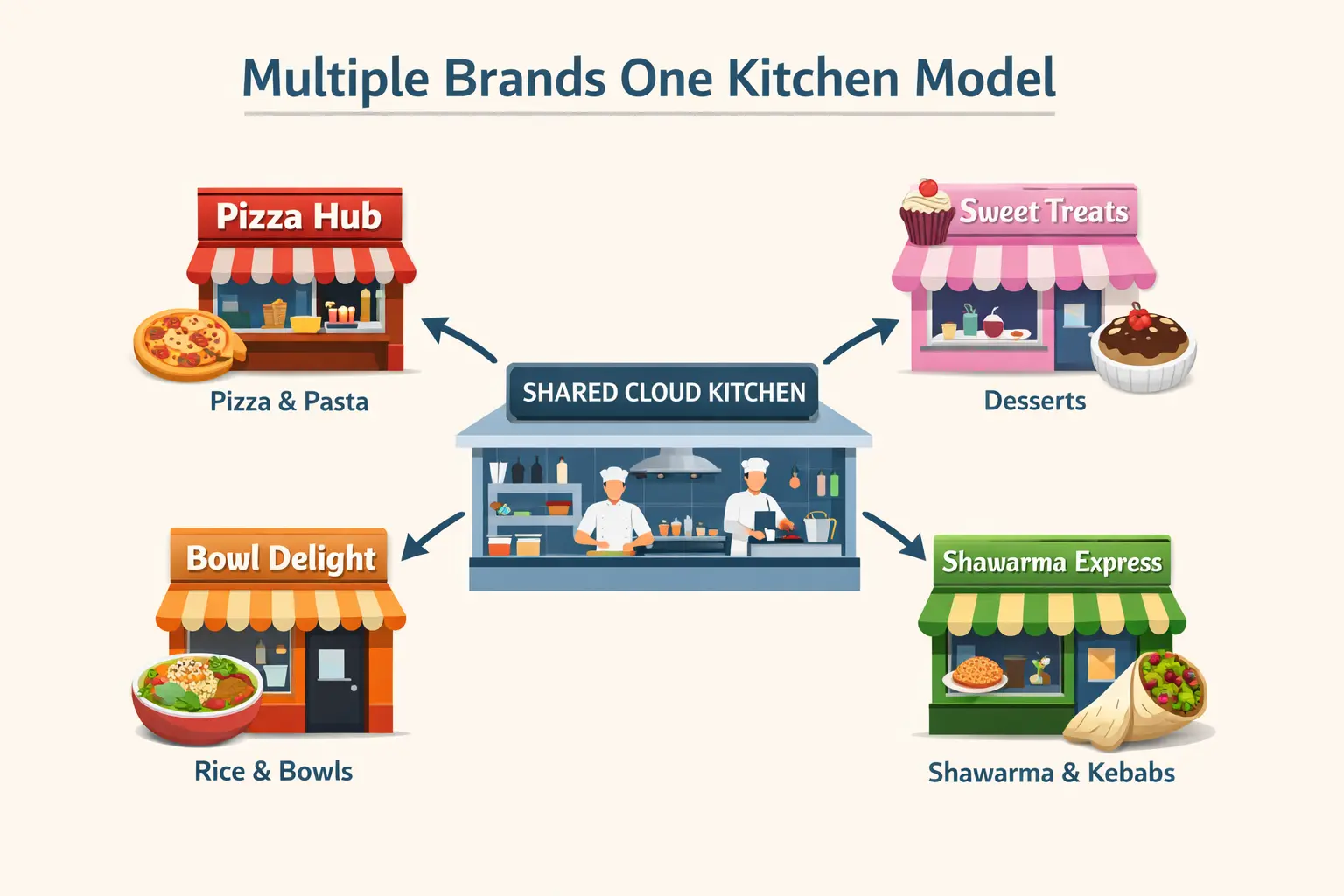
The Multiple Brands One Kitchen concept refers to running several food brands from a single kitchen space. Each brand may focus on a specific cuisine, menu category, or target audience.
For example, one kitchen could operate:
All these brands function independently on delivery platforms but share the same kitchen infrastructure, staff, and operations.
Customers ordering online may not even realize that these brands operate from the same kitchen.
This model is commonly used in the cloud kitchen industry, also known as ghost kitchens or virtual restaurants.
According to the National Restaurant Association, virtual restaurants and delivery-focused kitchens are among the fastest growing segments in the food service industry.
Cloud kitchens have become extremely popular because they eliminate the biggest expense of traditional restaurants — real estate and dine-in space.
Traditional restaurants require:
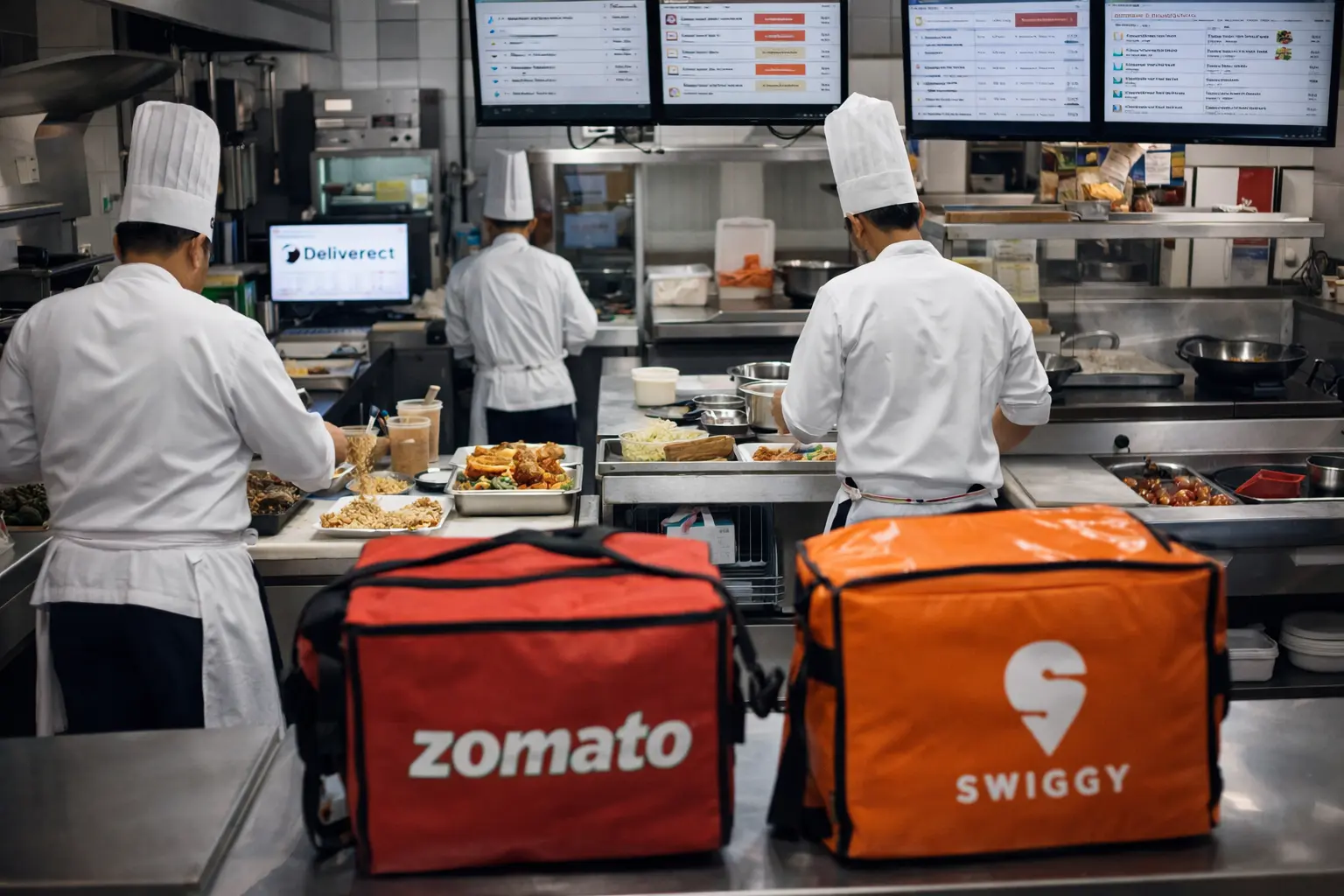
In contrast, cloud kitchens focus entirely on delivery operations, significantly reducing overhead costs.
The success of delivery platforms like Uber Eats and food aggregators has accelerated the adoption of this model.
With increasing demand for convenience and variety, cloud kitchens are now evolving into multi-brand food hubs, where one kitchen can operate several restaurant brands simultaneously.
This is exactly where the Multiple Brands One Kitchen model shines.
One of the biggest advantages of the Multiple Brands One Kitchen model is cost efficiency.
Instead of setting up separate kitchens for each brand, businesses can share:
This dramatically lowers operational costs and allows businesses to invest more in marketing and product development.
For growing food tech companies like Kouzina, this model enables rapid expansion without heavy infrastructure investments.
Launching a new food brand traditionally takes months of planning and setup.
With the Multiple Brands One Kitchen model, businesses can launch new brands quickly by:
Because the kitchen infrastructure already exists, the process becomes much faster and more cost-effective.
Companies like Kouzina regularly introduce new food brands using this approach to cater to evolving consumer preferences.
Instead of relying on a single restaurant concept, businesses can generate revenue from multiple food brands simultaneously.
For example:
One kitchen could operate:
This allows kitchens to maximize utilization and increase order volume throughout the day.
The result is higher profitability per kitchen location.
Another advantage of cloud kitchens is the ability to leverage data analytics.
Food delivery platforms provide valuable insights such as:
Using this data, companies like Kouzina can refine menus, optimize pricing, and introduce new brands that match customer demand.
This data-driven approach makes the Multiple Brands One Kitchen model highly scalable.
Kouzina Food Tech is one of the fastest growing cloud kitchen companies in India, specializing in multi-brand kitchen operations.
The company operates several well-known food brands from centralized kitchens, enabling partners and franchise owners to run multiple restaurant brands from a single location.
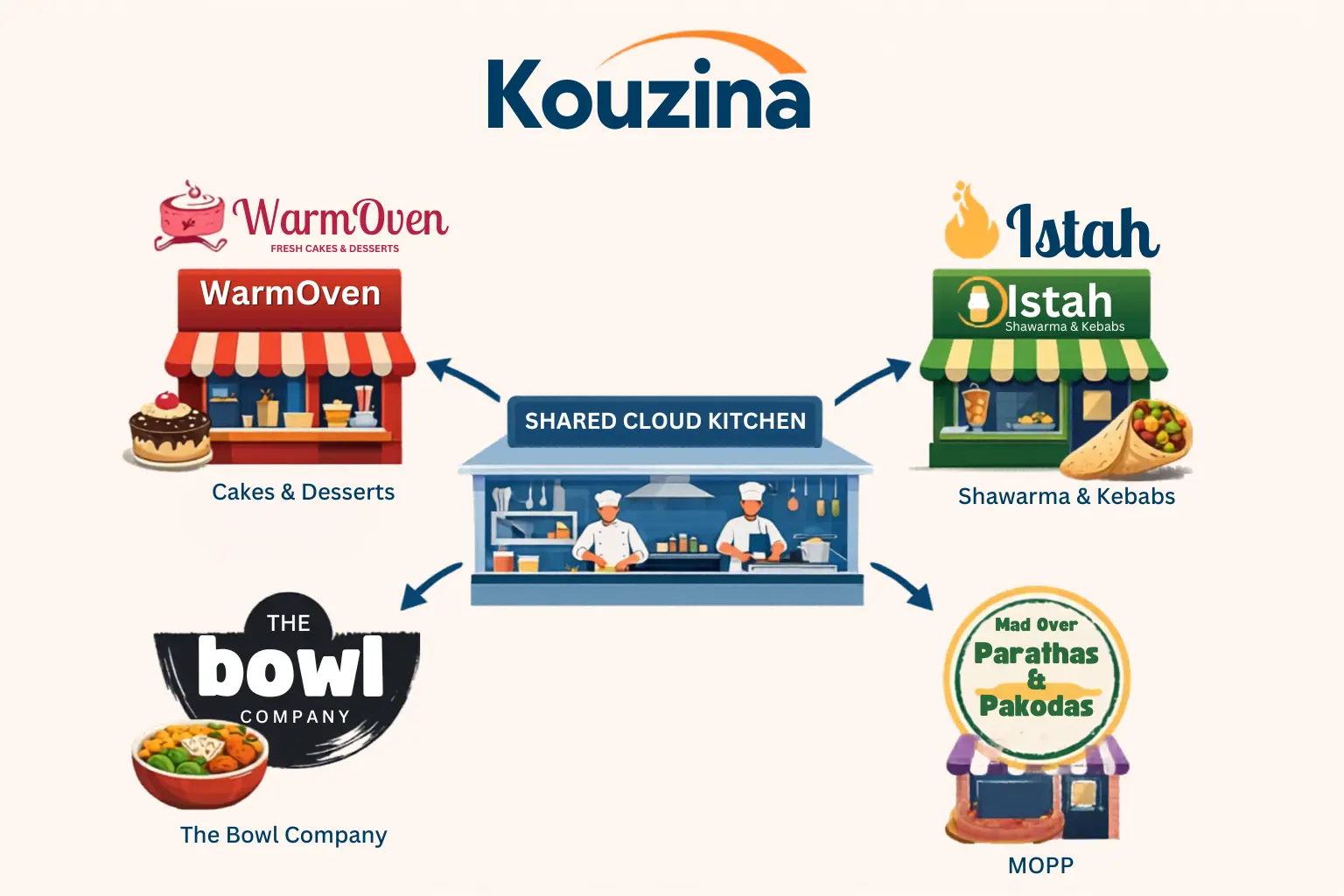
Some popular Kouzina brands include:
By combining strong brand identity with efficient kitchen operations, Kouzina helps entrepreneurs start and scale cloud kitchens with minimal risk.
This strategy aligns perfectly with the Multiple Brands One Kitchen concept, allowing partners to maximize revenue potential from one kitchen setup.
The Multiple Brands One Kitchen model also creates exciting opportunities for food entrepreneurs.
Instead of building a restaurant from scratch, partners can operate several established brands through a single kitchen.
Key benefits include:
Running multiple brands means partners are not dependent on one menu category.
Different brands attract different customer segments.
If one brand underperforms, others can still generate revenue.
The kitchen operates at full capacity throughout the day.
Companies like Kouzina make this model accessible through cloud kitchen franchise partnerships.
Technology plays a critical role in managing multiple brands from a single kitchen.
Cloud kitchen operators rely on:
These systems allow kitchens to process orders from multiple brands simultaneously without operational confusion.
Platforms like Deliverect and POS systems such as Toast Inc. help streamline these operations.
While the model offers many advantages, it also comes with challenges.
Each brand must maintain a unique identity.
Managing multiple menus requires strong kitchen processes.
Consistency across brands is critical for customer satisfaction.
Successful companies like Kouzina overcome these challenges through standardized recipes, technology integration, and strong operational systems.
The cloud kitchen market is expected to grow rapidly in the coming years.
According to research by Euromonitor International, the global ghost kitchen market could reach $1 trillion by 2030.
As competition increases, the Multiple Brands One Kitchen strategy will become a key factor in achieving profitability and scalability.
Food tech companies that successfully implement this model will be able to launch new brands faster, serve more customers, and adapt quickly to market trends.
For aspiring food entrepreneurs, the Multiple Brands One Kitchen model offers a practical way to enter the food industry.
Instead of investing heavily in a single restaurant, entrepreneurs can:
Partnering with established companies like Kouzina provides additional advantages such as brand recognition, operational support, and proven menu concepts.
The Multiple Brands One Kitchen model is redefining how modern food businesses operate. By allowing several restaurant brands to run from a single kitchen, this model offers unmatched efficiency, flexibility, and scalability.
With the rapid growth of food delivery platforms and changing consumer preferences, cloud kitchens are becoming a dominant force in the restaurant industry.
Companies like Kouzina are at the forefront of this transformation, helping entrepreneurs launch and scale multiple food brands through a single kitchen infrastructure.
As the food delivery ecosystem continues to expand, the Multiple Brands One Kitchen strategy will play a crucial role in shaping the future of the cloud kitchen industry.
For food entrepreneurs looking to start or expand a delivery-focused food business, this model represents one of the most exciting opportunities in the modern food industry.