The food industry has experienced a massive transformation over the last decade. With the rise of food delivery apps and changing consumer behavior, traditional restaurants are no longer the only way to run a successful food business. Today, entrepreneurs are increasingly choosing the profitable cloud kitchen setup model to enter the food industry with lower investment and higher scalability.
Cloud kitchens, also known as ghost kitchens or virtual kitchens, operate without a dine-in facility. They focus entirely on preparing food for delivery through online platforms. This approach significantly reduces overhead costs while maximizing operational efficiency.
According to the Statista, the global cloud kitchen market is expected to grow rapidly over the next few years as more consumers prefer ordering food online rather than dining out. In India, the growth of platforms like Swiggy and Zomato has made it easier than ever for food brands to reach customers without investing in expensive restaurant spaces.
For entrepreneurs looking to start a food business, a profitable cloud kitchen setup offers a smart, flexible, and scalable solution. In this guide, we will explore everything you need to know—from choosing the right business model to managing operations and marketing your cloud kitchen successfully.
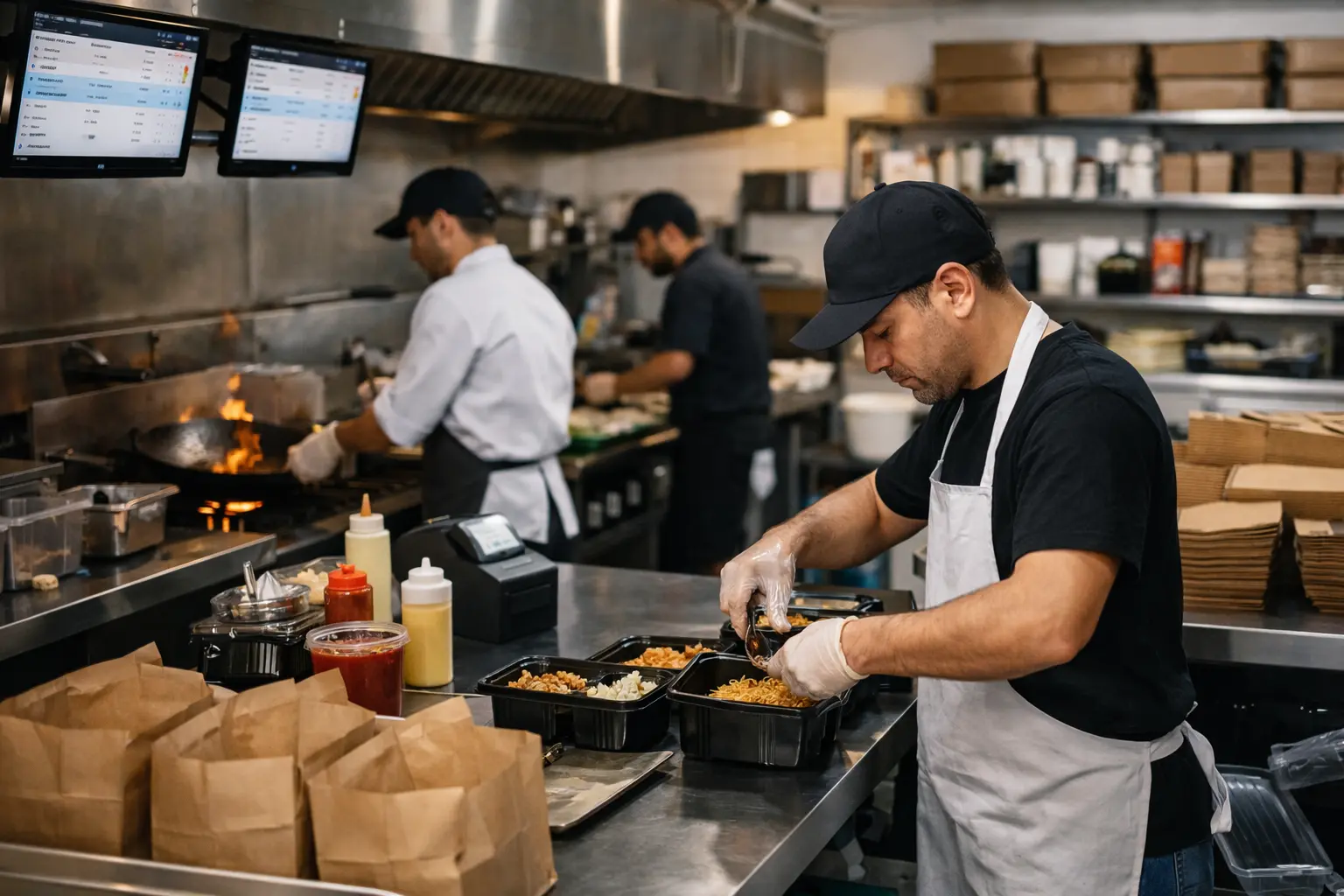
A cloud kitchen is a delivery-only restaurant that prepares food exclusively for online orders. Unlike traditional restaurants, cloud kitchens do not have dining areas or front-of-house staff. Their primary focus is on food preparation, delivery logistics, and online order management.
The concept gained global popularity through companies like Uber Eats, which demonstrated how delivery platforms could transform the food service industry.
Cloud kitchens typically operate from smaller kitchen spaces and serve customers through delivery apps or their own online platforms.
This model enables entrepreneurs to experiment with multiple cuisines and brands without the high investment required for traditional restaurants.
A profitable cloud kitchen setup works because it eliminates several costs associated with traditional restaurants.
.webp)
Traditional restaurants require premium locations to attract walk-in customers. Cloud kitchens, however, can operate from affordable locations since customers order online.
Without waiters, hosts, and large service teams, staffing costs are significantly lower.
One of the biggest advantages of cloud kitchens is the ability to run multiple brands from a single kitchen.
For example, a single kitchen could operate:
This increases revenue potential without requiring additional kitchen infrastructure.
The rapid growth of food delivery platforms has increased demand for delivery-first restaurants. Companies like Swiggy and Zomato have made ordering food convenient for millions of consumers across India.
Starting a cloud kitchen requires careful planning and execution. Below is a step-by-step guide to building a successful and profitable operation.
Before launching your cloud kitchen, it is essential to understand your local market.
Research factors such as:
Food delivery apps can help identify trending dishes and price ranges in your location.
The cuisine you select will play a major role in determining your success.
Some high-demand cloud kitchen cuisines include:
Choosing a cuisine that balances high demand with manageable preparation complexity is important for maintaining operational efficiency.
Even though cloud kitchens do not require prime retail locations, the kitchen should still be strategically located.
Consider factors such as:
A central location ensures faster delivery times and better customer satisfaction.
Your kitchen should be designed for speed, efficiency, and hygiene.

Essential equipment may include:
Proper kitchen layout helps reduce order preparation time and improve workflow.
Operating a food business requires several legal approvals.
Key licenses include:
You can learn more about food safety regulations from the Food Safety and Standards Authority of India.
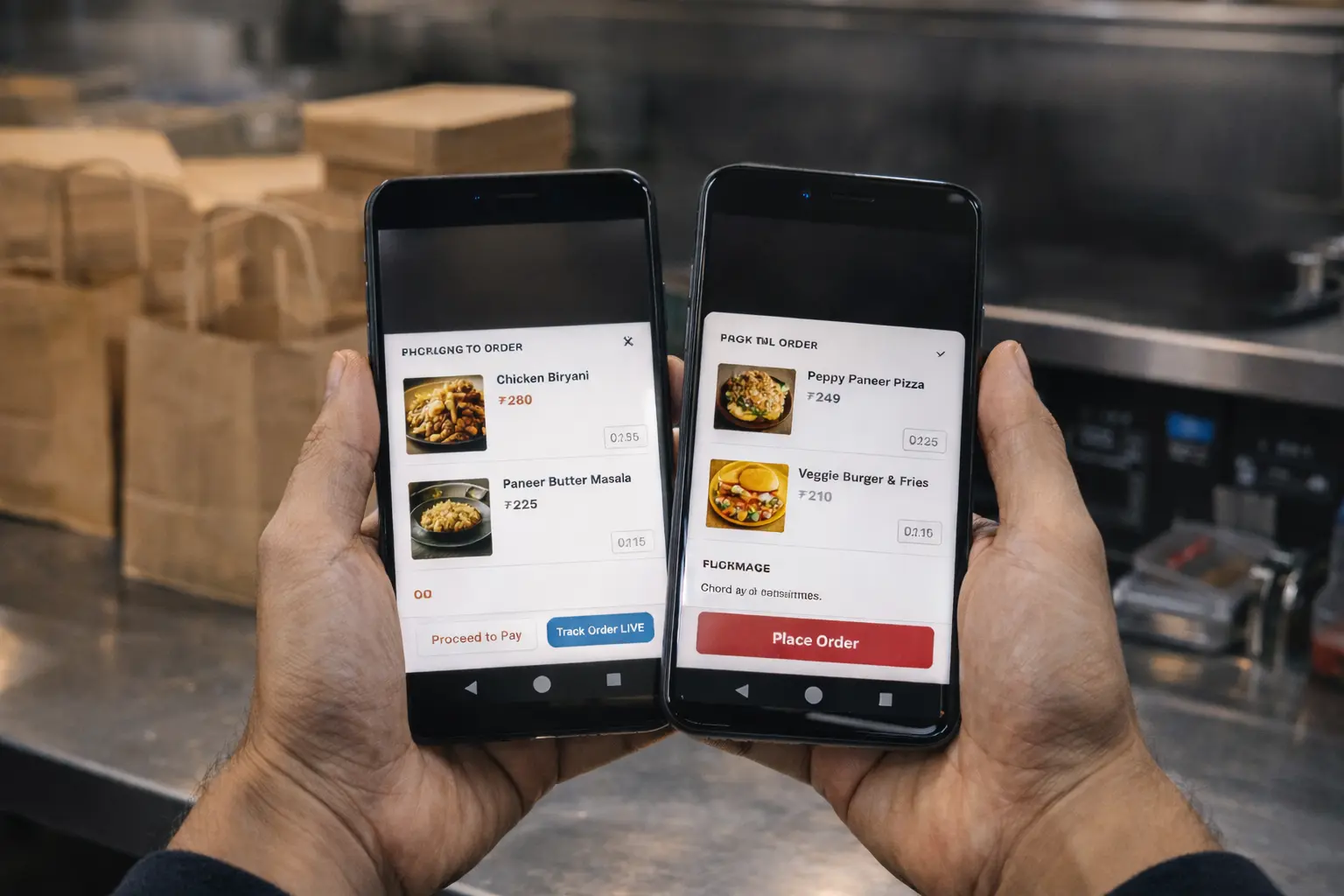
Delivery platforms are essential for a profitable cloud kitchen setup.
Register your brand on:
These platforms provide access to a large customer base and built-in logistics networks.
Technology plays a critical role in managing cloud kitchen operations efficiently.
Important tools include:
An integrated order management system helps track orders from multiple delivery platforms.
Tracking inventory prevents food wastage and ensures consistent supply.
Analyzing sales data helps identify:
This data-driven approach helps improve profitability.
Even with great food, your business will struggle without effective marketing.
Here are some strategies to promote your cloud kitchen:
Ensure your menu includes:
Limited-time offers and discounts can attract new customers and increase order volume.
Platforms like Instagram and Facebook can help build brand awareness and customer engagement.
Partnering with local food influencers can help your brand reach new audiences quickly.
Despite their advantages, cloud kitchens also face challenges.
The low entry barrier means many brands compete for the same customers.
Delivery platforms charge commissions, which can reduce profit margins.
Packaging and preparation techniques must ensure food remains fresh during transit.
Launching a cloud kitchen independently can involve trial and error.
Many entrepreneurs choose to partner with established brands that offer:
This reduces risk and increases the chances of success.
Companies like Kouzina Food Tech are helping entrepreneurs launch cloud kitchens using proven business models.
By partnering with an experienced cloud kitchen operator, entrepreneurs gain access to:
This approach enables entrepreneurs to focus on running the kitchen while benefiting from a tested business model.
To explore more about cloud kitchen opportunities, you can visit:
https://www.kouzinafoodtech.com/
The future of the food industry is increasingly digital. With more consumers choosing food delivery over dining out, cloud kitchens are expected to dominate the restaurant landscape.
Industry reports suggest that cloud kitchens will continue to grow rapidly due to:
Entrepreneurs who enter the market early can take advantage of this growing demand.
A profitable cloud kitchen setup is one of the most exciting opportunities in the modern food industry. With lower startup costs, flexible operations, and access to delivery platforms, cloud kitchens allow entrepreneurs to launch food brands quickly and scale efficiently.
However, success requires careful planning, the right technology, and a strong marketing strategy.
By following a proven model and focusing on operational efficiency, entrepreneurs can build sustainable and profitable food businesses in the rapidly growing cloud kitchen market.
Whether you are an experienced restaurateur or a first-time entrepreneur, the cloud kitchen model offers a powerful way to enter the food industry and meet the evolving needs of today’s digital consumers.