India’s food service industry is evolving rapidly. Rising real estate costs, changing consumer habits, and the explosive growth of food delivery platforms have pushed entrepreneurs to rethink the traditional restaurant model. This shift has given rise to one of the most disruptive formats in the food business ecosystem—the cloud kitchen.
A cloud kitchen operates without a dine-in space and focuses entirely on delivery and takeaway. By eliminating high front-end costs and leveraging technology, cloud kitchens have become the preferred launchpad for food startups, restaurant brands, and franchise operators across India.
According to industry reports, the Indian cloud kitchen market is expected to grow at a CAGR of over 15% in the coming years, driven by urban demand, digital adoption, and platform-led food ordering . This guide breaks down everything you need to know—from business models and setup costs to profitability and long-term growth.
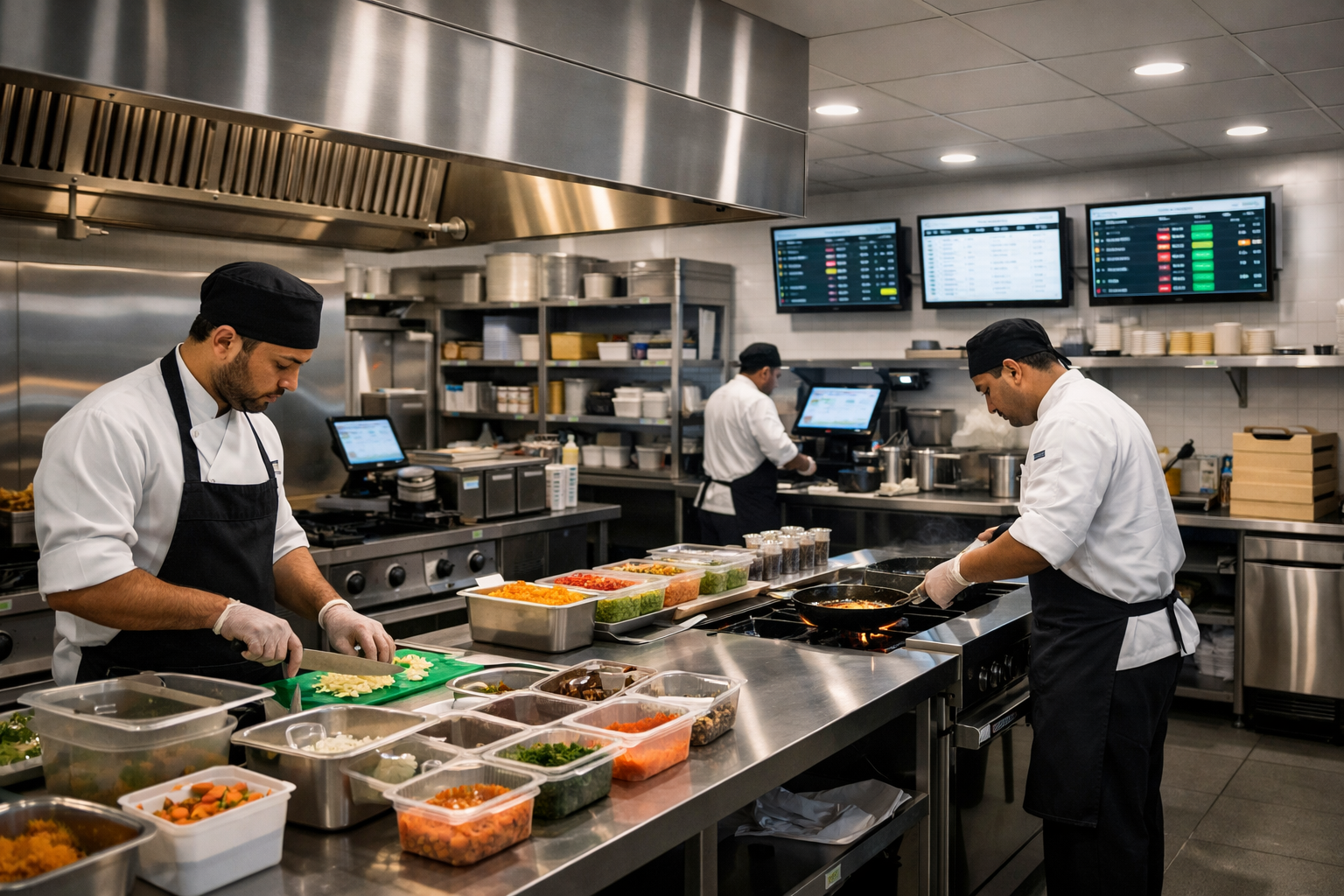
A cloud kitchen, also known as a ghost kitchen or dark kitchen, is a food preparation facility designed exclusively for online food delivery. Customers place orders through food delivery apps or brand-owned channels, and meals are prepared in a centralized kitchen before being dispatched.
Unlike traditional restaurants, cloud kitchens do not invest in dine-in infrastructure, premium locations, or front-of-house staff. This makes them leaner, faster to launch, and easier to scale.
Many modern cloud kitchens operate multiple brands from the same kitchen, maximizing kitchen utilization and revenue per square foot. This model has become increasingly popular among food startups looking to test concepts with minimal risk.
Several factors have accelerated the adoption of cloud kitchens across Indian cities:
Starting a traditional restaurant in a metro city often requires ₹50–₹100 lakhs. A cloud kitchen, on the other hand, can be launched at a fraction of that cost.
Platforms like Swiggy and Zomato have transformed how consumers order food. With millions of daily users, delivery-first kitchens have instant access to demand without heavy marketing spends.
Urban consumers increasingly prefer convenience, variety, and quick delivery—perfectly aligned with the cloud kitchen model.
Cloud kitchens rely heavily on POS systems, order aggregation, analytics, and inventory tools. Companies like Kouzina Food Tech enable entrepreneurs to operate efficiently at scale through tech-first solutions.
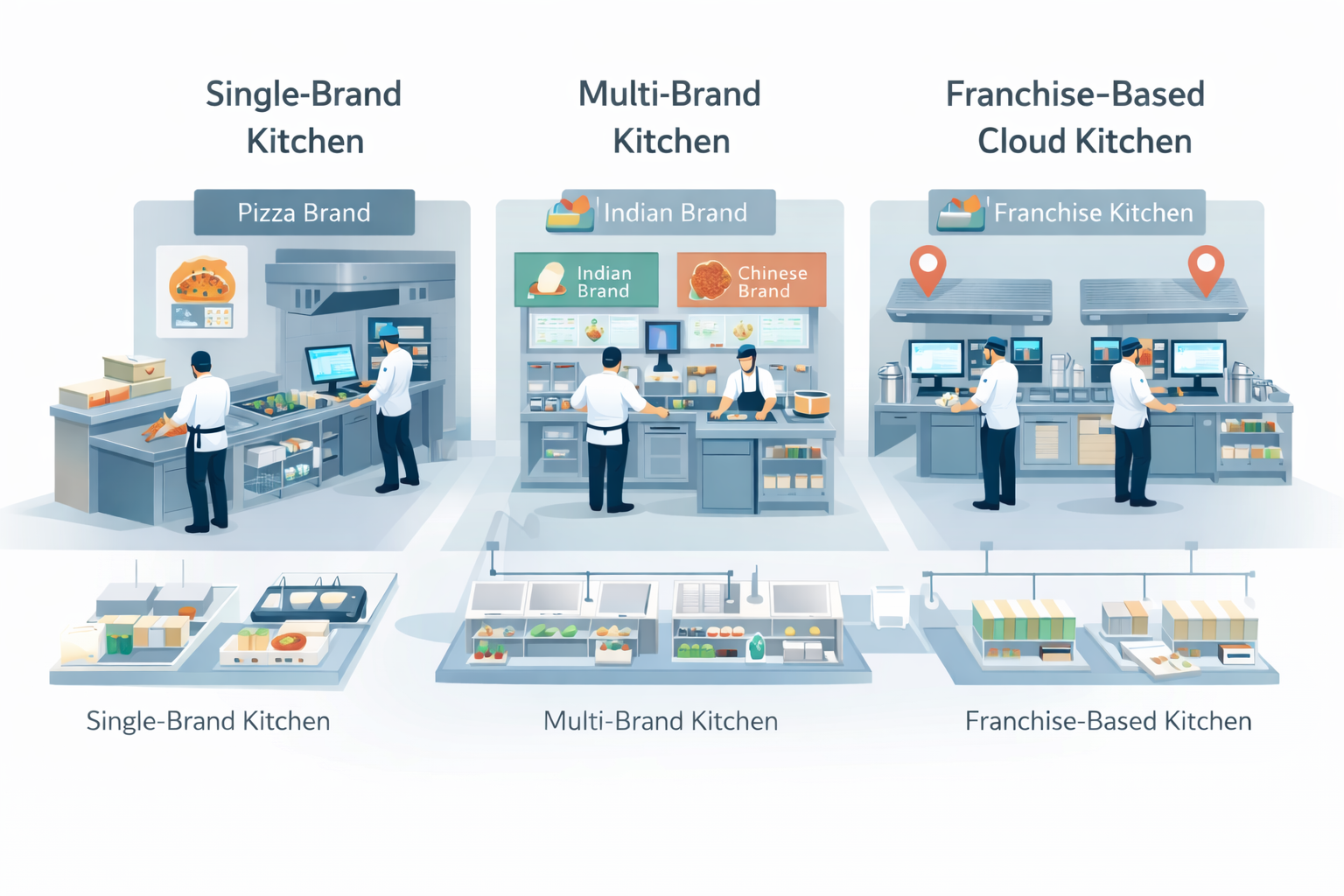
Choosing the right business model is critical for long-term success. Here are the most common cloud kitchen formats:
This model focuses on one cuisine or brand operating from a single kitchen. It is ideal for startups validating a food concept with limited capital.
Multiple brands operate from the same kitchen, sharing infrastructure and staff. This model improves margins and increases order density.
Entrepreneurs operate delivery-only outlets for established food brands. This model reduces brand-building risk and speeds up market entry. Kouzina’s franchise-led cloud kitchen model is a strong example of this approach.
Some food delivery platforms offer shared kitchen spaces with built-in demand. While convenient, operators have limited control over branding and customer data.
A typical cloud kitchen workflow includes:
Advanced operators use centralized dashboards to manage pricing, menu performance, kitchen efficiency, and customer feedback across locations. Platforms like Kouzina’s technology stack help streamline these operations at scale.
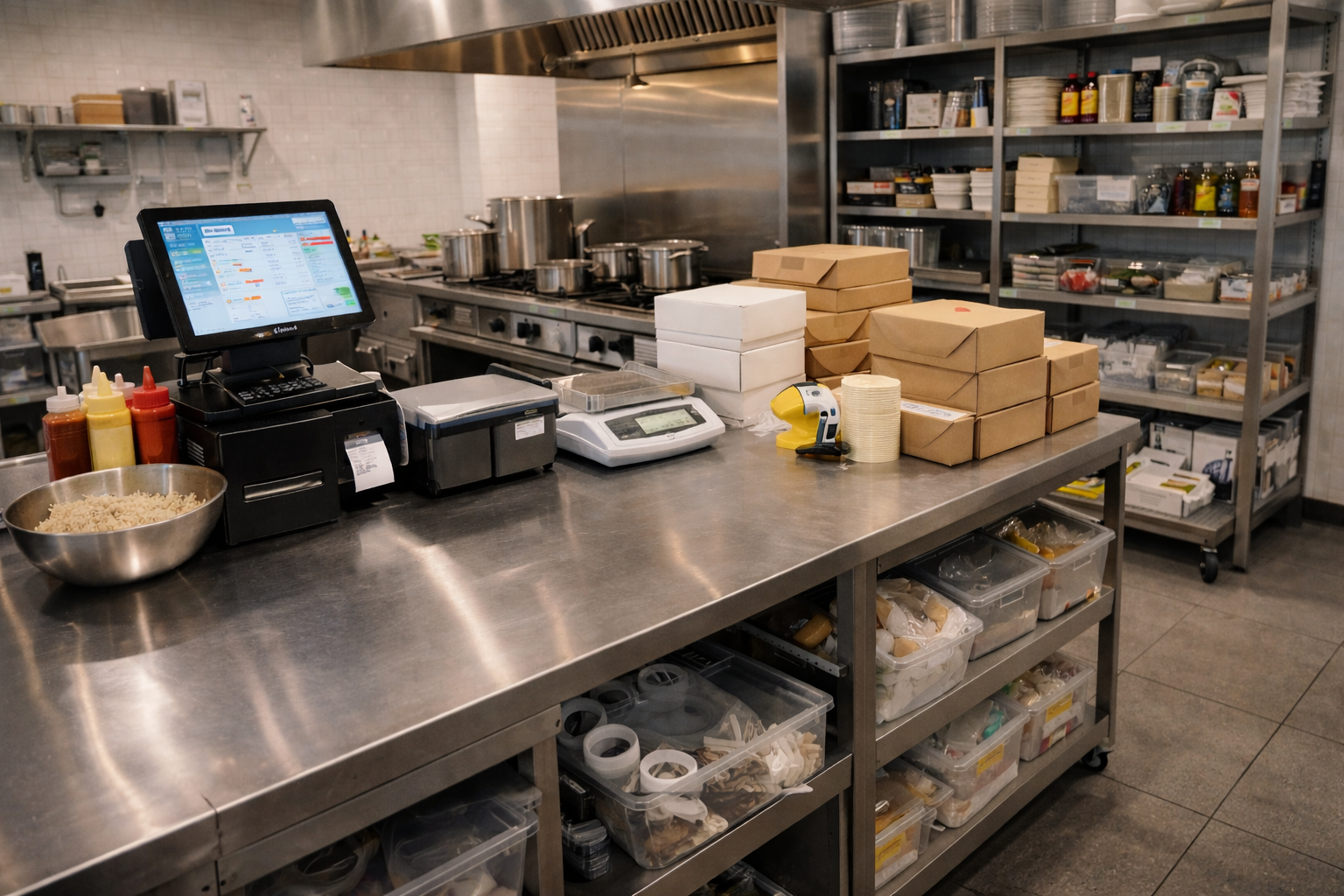
Understanding costs is essential before launching. While expenses vary by city and scale, here is a realistic breakdown:
Overall, a basic cloud kitchen in India can be launched with ₹5–₹20 lakhs, depending on the model and location.
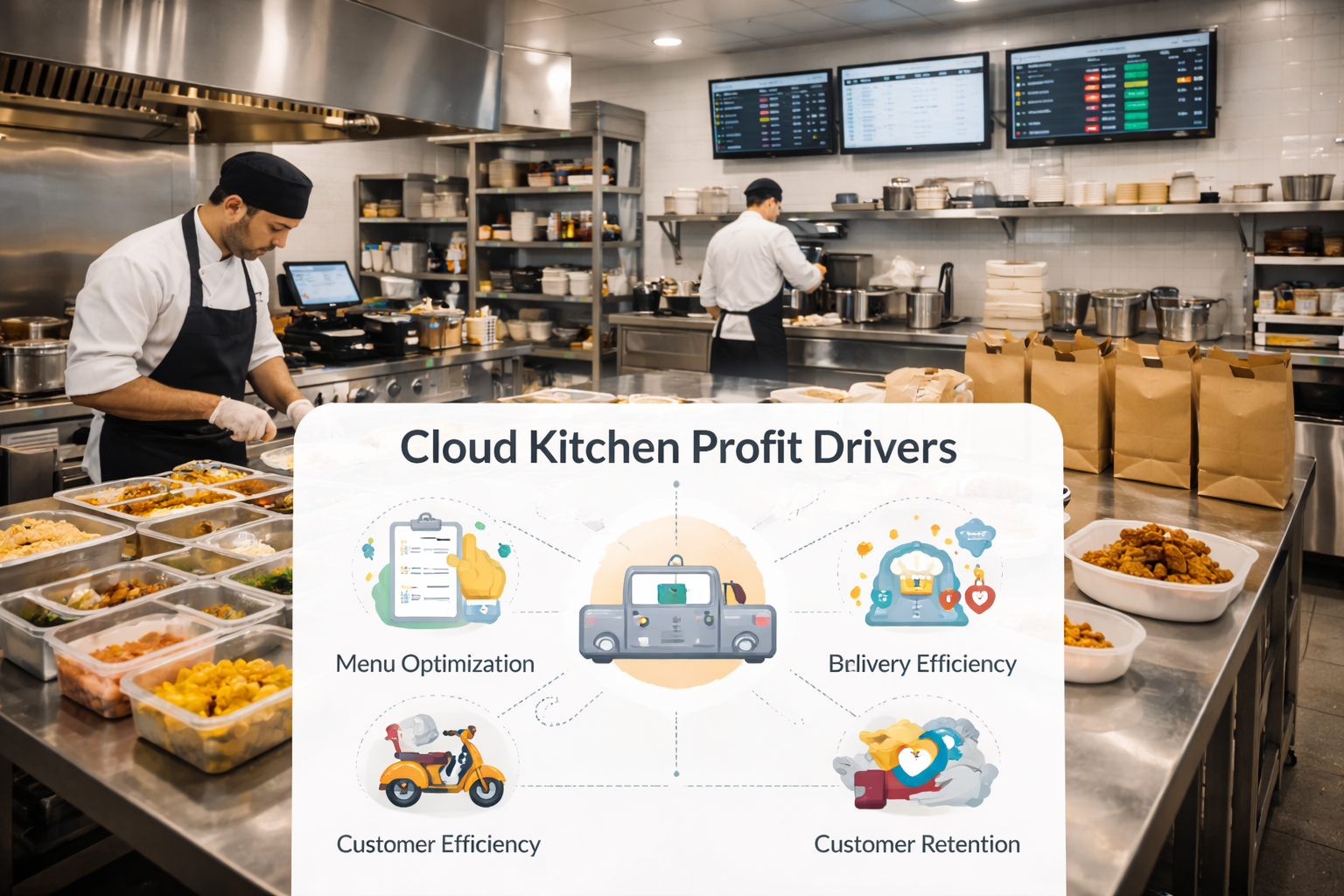
One of the biggest advantages of cloud kitchens is improved profitability. Typical net profit margins range between 10% and 25%, significantly higher than many dine-in restaurants.
Key factors influencing profitability include:
Multi-brand kitchens and franchise-led models tend to achieve faster breakeven due to shared costs and established demand.
Technology is the backbone of any scalable cloud kitchen operation. Key tools include:
Kouzina Food Tech enables cloud kitchen operators with a tech-driven ecosystem designed for scale, consistency, and operational excellence. You can explore how Kouzina supports modern food businesses through its cloud kitchen solutions.
Despite its advantages, the cloud kitchen model comes with challenges:
Low entry barriers mean crowded marketplaces, especially in metro cities.
Delivery platforms charge commissions, impacting margins if not managed carefully.
Running multiple brands requires strict SOPs and real-time monitoring.
With limited brand visibility, maintaining repeat orders demands consistent quality and smart marketing.
Technology-led platforms and franchise models help mitigate many of these challenges by offering standardized operations and built-in demand.
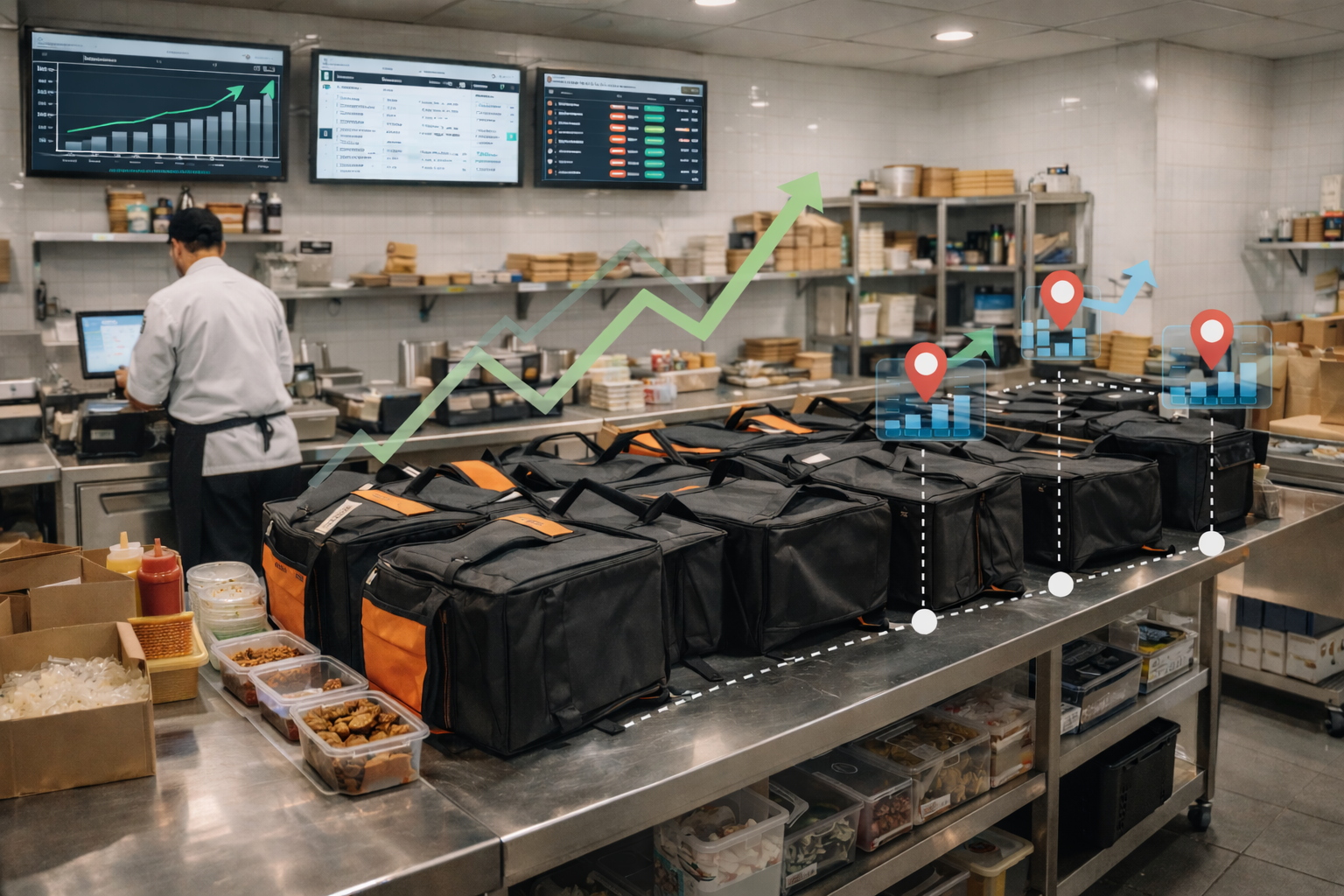
Scaling requires more than opening new locations. Successful operators focus on:
Brands working with Kouzina benefit from centralized support, technology integration, and proven growth frameworks—making expansion faster and more predictable.
Kouzina Food Tech has built a robust ecosystem tailored for delivery-first food businesses. From brand partnerships to kitchen technology and operational support, Kouzina enables entrepreneurs to focus on execution while reducing risk.
If you’re exploring cloud kitchen franchise opportunities, Kouzina’s model combines scalability, profitability, and continuous innovation—making it one of the strongest options in India’s food tech landscape.
The future of cloud kitchens looks promising. With increasing smartphone penetration, hyperlocal delivery, and AI-driven demand forecasting, cloud kitchens will continue to outperform traditional formats.
Industry experts predict increased adoption of:
Cloud kitchens are no longer an alternative—they are becoming the backbone of India’s modern food service industry .
If you’re an aspiring food entrepreneur looking for a scalable, tech-enabled, and capital-efficient business model, a cloud kitchen is worth serious consideration. With the right partners, systems, and execution strategy, it offers a clear path to profitability and growth.
Platforms like Kouzina Food Tech are redefining how food businesses launch and scale—making cloud kitchens one of the smartest opportunities in today’s food economy.